Assisted Living & Senior Communities
Bringing Coordinated Healthcare Into the Community Residents Call Home
Hospitals Without Walls™ works with assisted living communities, residential care settings, and senior living organizations to connect eligible residents with appropriately authorized healthcare services.
Our model supports whole person assessment, care coordination, mobile and virtual care, transitions, family engagement, and early communication of changing needs while respecting resident choice and the community's legally authorized role.
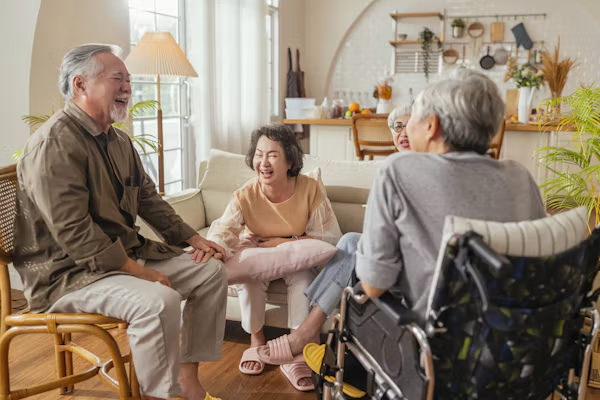
Healthcare where older adults live
The Community Is the Resident's Home
Older adults living in senior communities may receive healthcare from multiple independent professionals and organizations.
These may include:
When these participants operate separately, important needs may be missed or handled inconsistently.
Hospitals Without Walls™ helps create a defined structure for authorized communication and coordination around the resident.
- Primary care professionals
- Medical specialists
- Hospitals
- Emergency departments
- Pharmacies
- Home health agencies
- Rehabilitation professionals
- Laboratories and imaging providers
- Behavioral health professionals
- Palliative care providers
- Hospice organizations
- Health plans
- Family members and caregivers
- Community service organizations
Who we serve
Partnerships Across Senior-Living Environments
Potential partners may include:
- Assisted living communities
- Residential care facilities for older adults
- Memory care communities
- Independent living communities
- Continuing care retirement communities
- Life plan communities
- Affordable senior-housing organizations
- Congregate senior communities
- Faith based senior communities
- Adult residential settings
- Senior community management companies
- Owners and operators of multiple communities
- Other residential organizations serving older adults
The legal names, permitted services, staffing requirements, and regulatory classifications of these settings vary by jurisdiction.
Each program must be designed according to the community's license, resident population, services, location, contracts, and applicable law.
The role of Hospitals Without Walls™
Connecting Healthcare Without Converting the Community Into a Hospital
Hospitals Without Walls™ may help participating communities:
A relationship with Hospitals Without Walls™ does not convert an assisted living or senior community into a hospital, skilled nursing facility, home health agency, medical practice, or emergency-care provider.
- Connect residents with authorized healthcare professionals
- Coordinate services across providers
- Support transitions after hospitalization
- Identify gaps in follow-up
- Facilitate telehealth or mobile services
- Support medication-related communication
- Provide resident and caregiver education
- Coordinate chronic disease support
- Identify functional, cognitive, and safety concerns
- Connect residents with community resources
- Support palliative-care referrals
- Establish communication and escalation pathways
- Measure agreed quality and utilization indicators
Populations that may benefit
Supporting Residents With Complex and Changing Needs
Depending on eligibility and program scope, the model may support residents who:
Live with multiple chronic conditions
Recently returned from a hospital or rehabilitation facility
Experience frailty or functional decline
Have mobility limitations
Have experienced falls or near-falls
Take multiple medications
Live with cognitive impairment or dementia
Have difficulty attending outside medical appointments
Require continuing symptom support
Depend significantly on family or informal caregivers
Experience social isolation
Need help navigating healthcare services
Have palliative or serious-illness needs
May require a different level of care
Inclusion in one of these groups does not automatically establish eligibility, medical necessity, insurance coverage, or suitability for a particular service.
Comprehensive whole-person assessment
Understanding the Resident Beyond a Diagnosis
Depending on program scope, an appropriately qualified professional may assess relevant areas such as:
Medical Needs
- Diagnoses
- Symptoms
- Recent acute-care use
- Current treatment
- Clinical risks
- Preventive-care needs
- Need for follow-up
Medication-Related Needs
- Current medications
- Allergies
- Possible discrepancies
- Adherence barriers
- High risk medication concerns
- Need for prescriber or pharmacist review
Functional Needs
- Mobility
- Transfers
- Balance
- Activities of daily living
- Instrumental activities of daily living
- Assistive devices
- Rehabilitation needs
Cognitive Needs
- Memory
- Orientation
- Judgment
- Decision-making
- Ability to follow instructions
- Need for additional evaluation
Behavioral and Emotional Needs
- Mood
- Anxiety
- Adjustment
- Grief
- Behavioral symptoms
- Social withdrawal
- Need for qualified behavioral health services
Social Needs
- Family involvement
- Social connection
- Transportation
- Financial or practical barriers
- Access to food and other necessities
- Community resource needs
Environmental and Safety Needs
- Fall hazards
- Accessibility
- Emergency planning
- Equipment
- Ability to summon help
- Other relevant environmental risks
Palliative and Supportive Needs
- Pain
- Symptom burden
- Quality of life concerns
- Serious illness goals
- Caregiver needs
- Advance care planning preferences
Not every resident requires every assessment. The evaluation must be individualized and performed within the assessor's qualifications and legal scope.
Individualized care coordination
One Resident. One Coordinated Direction.
Following assessment, the authorized care team may develop or support an individualized plan identifying:
The plan should complement—not improperly duplicate or override—existing physician orders, service plans, healthcare plans, facility responsibilities, or legally required documentation.
- Resident goals and preferences
- Priority needs
- Responsible healthcare professionals
- Authorized services
- Medication related actions
- Monitoring needs
- Follow-up appointments
- Rehabilitation needs
- Safety interventions
- Family or caregiver participation
- Community resources
- Communication pathways
- Escalation instructions
- Reassessment intervals
- Possible transition needs
Mobile healthcare services
Appropriate Services Delivered Where the Resident Lives
Depending on the program, location, provider availability, and applicable law, mobile services may include:
- Physician or advanced-practice professional visits
- Nursing services
- Selected diagnostic services
- Laboratory specimen collection
- Rehabilitation services
- Behavioral-health services
- Palliative-care services
- Wound evaluation
- Medication review
- Care coordination
- Patient and caregiver education
Every service must be provided by an appropriately licensed, certified, credentialed, or otherwise authorized professional or organization.
Availability and coverage are not guaranteed.
Telehealth and virtual care
Extending Access Through Technology
When appropriate and permitted, telehealth may support:
- Clinical consultations
- Follow up visits
- Chronic condition support
- Medication related communication
- Behavioral health services
- Palliative support
- Family conferences
- Care coordination
- Education
- Post hospital follow up
Before use, the responsible parties should consider:
- Clinical appropriateness
- Resident consent
- Cognitive and sensory needs
- Communication ability
- Technology access
- Privacy
- Need for assistance
- State licensure requirements
- Emergency procedures
- Whether an in person evaluation is necessary
Telehealth is not suitable for every resident or condition.
Support after hospitalization
Helping Residents Return Safely to Their Community
The period following hospitalization may involve medication changes, new diagnoses, mobility limitations, unfamiliar instructions, and multiple follow-up needs.
A transitional-care program may support:
- Review of discharge information
- Medication reconciliation
- Follow-up appointment coordination
- Communication with authorized clinicians
- Home health or rehabilitation coordination
- Equipment follow-up
- Resident and caregiver education
- Review of warning signs
- Identification of new functional needs
- Reassessment of community suitability
- Escalation of unresolved concerns
The community must continue to follow its own admission, readmission, retention, staffing, documentation, and safety requirements.
Chronic disease support
Coordinating Continuing Needs
Residents may live with conditions such as:
- Cardiovascular disease
- Diabetes
- Chronic pulmonary disease
- Kidney disease
- Arthritis
- Neurologic conditions
- Dementia
- Depression or anxiety
- Chronic wounds
- Chronic pain
- Multiple interacting conditions
Support may include education, care coordination, monitoring, referrals, follow-up, and communication with authorized treating professionals.
Hospitals Without Walls™ does not guarantee that chronic disease can be controlled or that complications can always be prevented.
Frailty and functional decline
Recognizing Changes That May Affect Independence and Safety
Frailty and functional decline may affect a resident's ability to:
- Walk safely
- Transfer
- Bathe
- Dress
- Eat
- Manage medications
- Communicate
- Attend appointments
- Participate in activities
- Respond during an emergency
- Remain safely in the current setting
A coordinated program may help identify changes, facilitate appropriate evaluation, and connect the resident with rehabilitation, equipment, healthcare, caregiver, or community resources.
The community and responsible professionals must act when a resident's needs exceed what can safely and lawfully be provided in the current setting.
Fall risk and mobility
Supporting Safer Movement
A fall-risk strategy may include:
- Review of prior falls
- Mobility and balance assessment
- Medication review by an authorized professional
- Vision and hearing considerations
- Footwear assessment
- Assistive device review
- Environmental observations
- Rehabilitation referral
- Resident education
- Staff and caregiver communication
- Follow up after a fall
- Escalation when injury is suspected
No fall-prevention program can eliminate every fall.
A suspected serious injury or acute change requires prompt evaluation according to established emergency procedures.
Cognitive impairment and memory care
Coordinating Care With Dignity and Respect
Residents living with cognitive impairment or dementia may require additional support involving:
- Communication
- Medication management
- Daily routines
- Nutrition and hydration
- Mobility
- Behavioral symptoms
- Safety
- Decision-making
- Family involvement
- Advance care planning
- Transitions
- Caregiver education
Cognitive screening is not necessarily a diagnosis.
Diagnosis, capacity assessment, treatment, and medication decisions must be performed by professionals authorized to provide those services.
A diagnosis of dementia does not eliminate a resident's rights, preferences, dignity, or ability to participate in decisions to the extent possible.
Medication support
Connecting Information Without Exceeding Authority
Depending on the community and program, medication-related coordination may include:
- Obtaining the best available medication list
- Comparing information after care transitions
- Identifying apparent discrepancies
- Communicating questions to authorized prescribers
- Facilitating pharmacist review
- Supporting resident education
- Identifying adherence barriers
- Monitoring required follow-up
- Documenting authorized information
Hospitals Without Walls™ personnel and community staff may not prescribe, discontinue, alter, prepare, administer, or assist with medication unless their individual authority and the setting's applicable law permit them to do so.
Palliative and supportive care
Improving Comfort and Supporting What Matters Most
Residents living with serious illness may benefit from palliative care at any appropriate stage of illness.
Palliative services may address:
- Pain
- Shortness of breath
- Nausea
- Fatigue
- Anxiety
- Emotional distress
- Functional decline
- Caregiver concerns
- Communication about goals
- Spiritual concerns, when desired
- Advance care planning
- Coordination among treating professionals
Palliative care is not automatically hospice care and does not require a resident to stop appropriate disease-directed treatment.
Hospice eligibility and election are governed by separate clinical, payer, and regulatory requirements.
Behavioral and PsychoSpiritual support
Caring for Emotional, Social, and Existential Needs
Older adults may experience grief, loneliness, anxiety, depression, adjustment difficulties, loss of independence, or questions about meaning and mortality.
Appropriate support may include:
- Screening within the professional's scope
- Referral to qualified behavioral-health professionals
- Social engagement
- Family support
- Grief support
- Spiritual care referral when desired
- Crisis escalation when necessary
No religious or spiritual belief should be imposed.
A person expressing possible danger to self or others requires immediate response under applicable emergency and mental-health procedures.
Family and caregiver engagement
Supporting Authorized Participation
With the resident's permission or other lawful authority, family members and caregivers may participate in:
- Care planning
- Health education
- Appointment coordination
- Medication related communication
- Observation of changes
- Hospital transitions
- Advance care planning
- Discharge or relocation planning
- Emergency preparation
Family participation should reflect the resident's wishes and legal rights.
A family relationship alone does not necessarily create legal authority to obtain protected information or make healthcare decisions.
Social connection and quality of life
Health Includes Meaningful Daily Life
A whole-person plan may consider:
- Social relationships
- Purposeful activity
- Community participation
- Cultural connection
- Communication needs
- Loneliness
- Grief
- Family contact
- Personal interests
- Spiritual life, when desired
- Opportunities for safe movement
- Resident-defined quality of life goals
Hospitals Without Walls™ may help identify relevant needs and connect residents with appropriate community or professional resources.
Recognizing a change in condition
Clear Observation, Communication, and Escalation
Community personnel and authorized caregivers may be positioned to observe changes such as:
- New confusion
- Difficulty breathing
- Chest discomfort
- Weakness
- Fever
- Reduced food or fluid intake
- New pain
- Falls
- Changes in mobility
- Changes in behavior
- Medication concerns
- Skin changes
- Loss of function
The program should establish clear instructions describing:
- 1What community personnel may observe and document
- 2Whom they should notify
- 3What information should be communicated
- 4When a qualified clinical assessment is required
- 5When emergency services must be activated
- 6How follow-up will be documented
Nonclinical personnel must not be expected to diagnose or perform services outside their authorized role.
Appropriate hospital and emergency use
Resident Safety Comes Before Location or Cost
Some acute-care use may be avoidable when risks are identified and addressed early. Other hospital transfers are clinically necessary.
Hospitals Without Walls™ does not seek to keep a resident in the community when emergency or hospital evaluation is required.
No participating organization or professional should delay necessary care for the purpose of:
- Reducing cost
- Avoiding a transfer
- Protecting a performance measure
- Preserving occupancy
- Meeting a contractual target
- Creating an appearance of program success
Call 911 whenever an emergency exists or emergency activation is otherwise indicated.
Person-centered living
The Resident Directs the Goals of Support
A person-centered approach recognizes the resident's:
- Individual goals
- Daily routines
- Preferences
- Relationships
- Culture
- Language
- Religious or spiritual beliefs
- Desired activities
- Privacy
- Dignity
- Right to make informed choices
- Right to participate in planning
- Right to raise concerns
- Right to refuse services, subject to applicable law
Clinical safety and professional responsibilities must be addressed openly when a resident's preferences create a material risk.
Resident rights and protection
Dignity, Choice, Privacy, and Safety
Every participating program should protect residents from:
- Abuse
- Neglect
- Exploitation
- Retaliation
- Coercion
- Unlawful discrimination
- Unnecessary restriction
- Unauthorized disclosure
- Financial manipulation
- Inappropriate healthcare steering
Suspected abuse, neglect, exploitation, or unsafe conditions must be handled according to applicable reporting and protective-service requirements.
Coordination with existing providers
Supporting the Resident's Established Healthcare Relationships
Hospitals Without Walls™ is designed to coordinate with authorized existing providers, which may include:
- Primary care professionals
- Specialists
- Medical groups
- Health plans
- Home health agencies
- Hospices
- Pharmacies
- Rehabilitation providers
- Laboratories
- Mobile diagnostic services
- Behavioral health providers
- Community organizations
The objective is to close appropriate gaps and improve communication without unnecessarily duplicating or replacing established services.
Residents retain legally protected rights concerning provider choice.
Community workflow integration
Clearly Defined Responsibilities
A program may establish:
- Referral procedures
- Eligibility criteria
- Consent workflows
- Communication pathways
- Contact information
- Response expectations
- Change-of-condition procedures
- Emergency protocols
- Documentation requirements
- Privacy safeguards
- Family-communication procedures
- Quality-review processes
- Complaint and grievance pathways
Written procedures should distinguish the responsibilities of the community, Hospitals Without Walls™, participating clinicians, other healthcare organizations, residents, and authorized representatives.
Quality and performance measurement
Measuring the Program Honestly
A senior-community contract may include defined measures related to:
Access
- Time from referral to contact
- Appointment completion
- Successful connection to authorized services
Care Coordination
- Completed assessments
- Care plans
- Medication reconciliation
- Referral completion
- Post-hospital follow-up
Safety
- Falls
- Medication-related concerns
- Changes in condition appropriately escalated
- Other defined adverse events
Utilization
- Emergency department visits
- Hospital admissions
- Readmissions
- Other agreed utilization measures
Resident and Family Experience
- Resident-reported experience
- Family or caregiver experience
- Communication
- Complaint resolution
Operations
- Response time
- Documentation completion
- Program participation
- Service completion
Measures must define the eligible population, data source, exclusions, reporting period, methodology, and limitations.
No clinical or financial result should be attributed to the program without an appropriate evidentiary basis.
Community contracting process
Building the Right Model for Your Residents
- 1
Step 1
Community Consultation
We review the resident population, current services, care challenges, and organizational goals.
- 2
Step 2
Needs and Gap Assessment
We identify areas in which additional care coordination or authorized healthcare access may be appropriate.
- 3
Step 3
Program Design
We define eligibility, services, workflows, responsibilities, technology, consent, communication, and escalation procedures.
- 4
Step 4
Compliance Review
The parties evaluate applicable licensing, healthcare, housing, privacy, payer, referral, contracting, and resident-rights requirements.
- 5
Step 5
Measurement Plan
The parties establish baseline information, performance measures, reporting procedures, and analytical limitations.
- 6
Step 6
Written Agreement
The contract defines services, responsibilities, financial terms, quality standards, data use, insurance, governance, and termination rights.
- 7
Step 7
Implementation
Personnel are trained, workflows are tested, communication pathways are activated, and the approved program begins.
- 8
Step 8
Continuous Improvement
Results are reviewed and appropriate program changes are made through the agreed governance process.
Responsibility and accountability
Collaboration Does Not Erase Legal Boundaries
Unless a lawful written agreement provides otherwise, the senior community remains responsible for:
- Its license and regulatory compliance
- Admission, retention, and discharge requirements
- Required staffing
- Resident services
- Medication related duties assigned to the community
- Emergency procedures
- Resident rights
- Required records
- Safety
- Abuse and neglect reporting
- Services promised under resident agreements
Each participating professional and healthcare organization remains responsible for its own personnel, services, clinical decisions, documentation, licensure, credentialing, billing, privacy, security, and conduct.
Why partner with Hospitals Without Walls™?
Connecting Residents With a Broader Continuum of Care
Our model can help participating communities develop:
These are intended program capabilities—not guaranteed outcomes.
- Whole-person resident assessment
- Better-defined healthcare pathways
- Coordinated mobile and virtual services
- Stronger post hospital follow up
- Clear change of condition procedures
- Improved communication with authorized providers
- Family and caregiver engagement
- Support for frailty and functional decline
- Palliative and serious-illness support
- Transparent quality measurement
Request a senior-community contract
Let Us Build a Program Around Your Residents
We will evaluate whether an appropriate, compliant, operationally feasible, and measurable partnership can be developed.
Tell us:
- What type of community you operate
- Where it is located
- How many residents you serve
- Which services are currently available
- Which healthcare gaps concern you
- Which outcomes you want to measure
- Which payer and provider relationships already exist
Important notice
Hospitals Without Walls™ is an independent healthcare-delivery and collaboration model. It does not own, operate, license, certify, or control an assisted living or senior community unless a written agreement expressly establishes such a relationship.
A partnership does not authorize a community or its personnel to provide medical, nursing, pharmaceutical, behavioral-health, or other regulated services beyond what their individual qualifications and applicable law permit.
Services vary by program, location, clinical need, resident eligibility, provider availability, payer authorization, and applicable law.
No improvement in health, independence, length of residence, hospitalization, emergency utilization, cost, occupancy, or regulatory performance is guaranteed.
This page provides general organizational information and does not constitute medical, legal, regulatory, insurance, or reimbursement advice.
If a resident may be experiencing a medical emergency, activate the community's emergency procedures and call 911 when indicated.