

Extending Coordinated Healthcare Beyond Traditional Walls
Depending on the patient’s needs, clinical eligibility, geographic availability, applicable law, payer authorization, and the services offered by participating providers, the Hospitals Without Walls™ model may incorporate
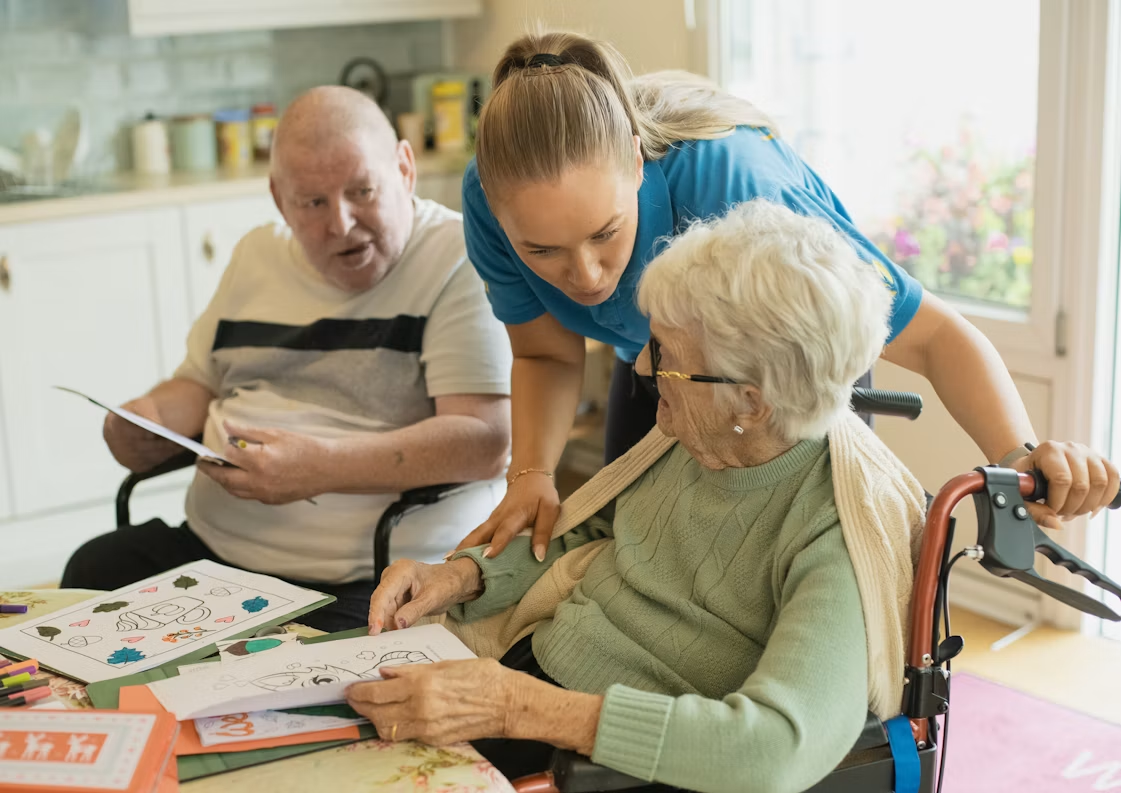
Comprehensive Geriatric Care
Multidimensional assessment and care planning for older adults, including medical, functional, cognitive, emotional, social, environmental, and caregiver related need

Chronic Disease Management
Longitudinal support for patients living with conditions such as heart disease, diabetes, chronic pulmonary disease, kidney disease, dementia, mobility limitations, and other complex illnesses

Palliative Medicine and Supportive Care
Relief of symptoms, stress, and suffering for patients living with serious illness provided alongside appropriate disease-directed treatment when clinically indicate

Transitional Care
Structured support during transitions between hospitals, rehabilitation facilities, skilled nursing facilities, physician practices, home health services, and the patient’s residence

Mobile Health Delivery
Appropriately authorized healthcare professionals and services delivered in the patient’s home, residential setting, or other permitted community location.

Telehealth and Virtual Care
Technology-enabled clinical communication, follow up, education, and care coordination when appropriate and legally permitted.

Remote Patient Monitoring
Collection and review of selected health information outside conventional clinical settings when ordered, clinically appropriate, operationally available, and supported by applicable payer requirements.

Care Coordination
Deliberate organization of care activities and communication among the patient, family, caregivers, clinicians, facilities, health plans, and community resources.

Caregiver and Family Support
Education, communication, resource navigation, and care planning support for the individuals who help patients remain safe and supported.

Hospitalization and Readmission Prevention
Early identification and management of clinical, functional, medication related, environmental, and social risks that may contribute to avoidable deterioration or unnecessary healthcare utilization